Skip to content
Part 1: Market Size and Growth
Lebanon’s glass industry has long been associated with architectural, decorative, and container glass, rather than large-scale tableware production. However, with the regional rise of the hospitality, café, and restaurant sectors, demand for glass cups and drinkware is increasing steadily. This opens up new opportunities for both local manufacturers and regional exporters.
Lebanon’s location at the crossroads of Europe, Asia, and Africa gives it a strategic trading advantage. The country’s craftsmanship tradition and artisanal culture also provide a foundation for developing glass cup production with a focus on design and sustainability. Yet challenges remain—energy costs, political instability, and material import expenses limit rapid industrial expansion.
Government incentives, export programs, and design partnerships could strengthen this sector. If Lebanese manufacturers leverage eco-friendly practices, recycled materials, and creative design collaborations, they could capture niche market segments across the Middle East and Mediterranean.

Part 2: Leading Companies
Although Lebanon does not yet have many large-scale glass cup factories, several companies in glass manufacturing and processing could pivot toward this market.
Golden Glass / Koub Glass
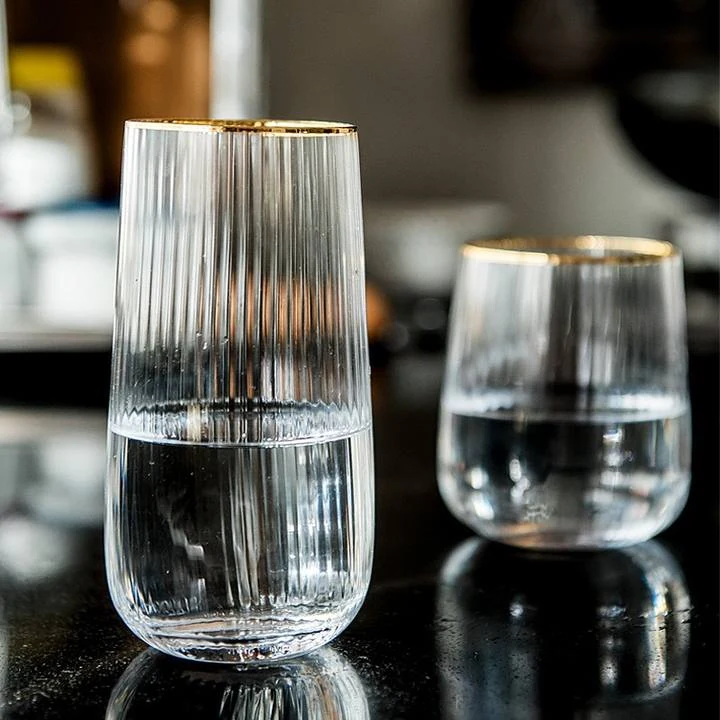
Golden Glass (also known as Koub Glass) is one of Lebanon’s most recognized glass manufacturers. The company produces containers, decorative glassware, and household glass cups using both recycled and virgin glass. Its facilities in Tripoli and Al Baddawi have expanded to support larger-scale production.
Golden Glass emphasizes sustainability, using 100% recycled materials in many of its glass products. It also provides customized solutions for hospitality and home décor clients.
The company’s ability to adapt to market trends, invest in modern furnaces, and maintain environmental standards makes it a strong potential player in glass cup manufacturing.
Universal Glass Containers (UGC SAL)
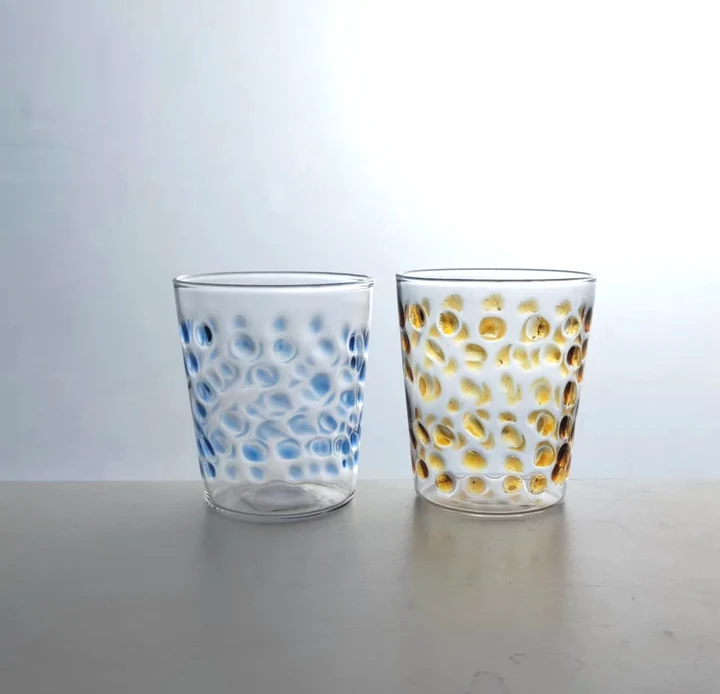
Founded in 2010, UGC SAL is one of Lebanon’s leading glass container producers, specializing in bottles and jars. While it does not yet focus on glass cups, its industrial infrastructure could easily support expansion into tableware.
UGC offers OEM and ODM services, supporting both small and bulk orders for beverage brands and food companies. Its R&D department is exploring lightweight glass and improved heat treatment processes.
If UGC diversifies into glass drinkware, it could become a competitive regional supplier, leveraging its existing client base and production capacity.
Kashou Glass Production

Kashou Glass specializes in technical and engineered glass products, serving industrial and architectural markets. However, its advanced glassworking technology—precision cutting, coating, and thermal control—positions it well for expansion into premium drinkware and decorative glass cups.
The company’s strength lies in high-quality materials and process consistency. Collaborations with local designers could allow it to develop limited-edition glass cup collections that appeal to both domestic and international buyers.
| Company | Founded | Core Products | Industries | Strengths |
|---|---|---|---|---|
| Golden Glass / Koub Glass | 1990s | Containers, decorative glass, glass cups | Hospitality, household, décor | 100% recycled glass, eco-friendly focus |
| UGC SAL | 2010 | Bottles, jars, containers | Food, beverage, packaging | Industrial-scale capacity, flexible production |
| Kashou Glass Production | 2000s | Technical & architectural glass | Industrial, design | Advanced glass processing, high clarity |
Part 3: Trade Shows and Industry Events
Trade exhibitions are vital for Lebanese manufacturers to reach new buyers and connect with global distributors. Local design fairs and regional trade shows have become platforms to showcase craftsmanship and innovation.
Beirut Design Week
This annual design event highlights Lebanese creativity in furniture, home décor, and tableware. It offers glass artisans and manufacturers the chance to present their designs, meet retailers, and explore collaborations with interior designers.
The event attracts both local buyers and international visitors from the Middle East and Europe. For small producers, it serves as a key launch platform for branded drinkware lines.
Ambiente (Frankfurt, Germany) / Dubai INDEX
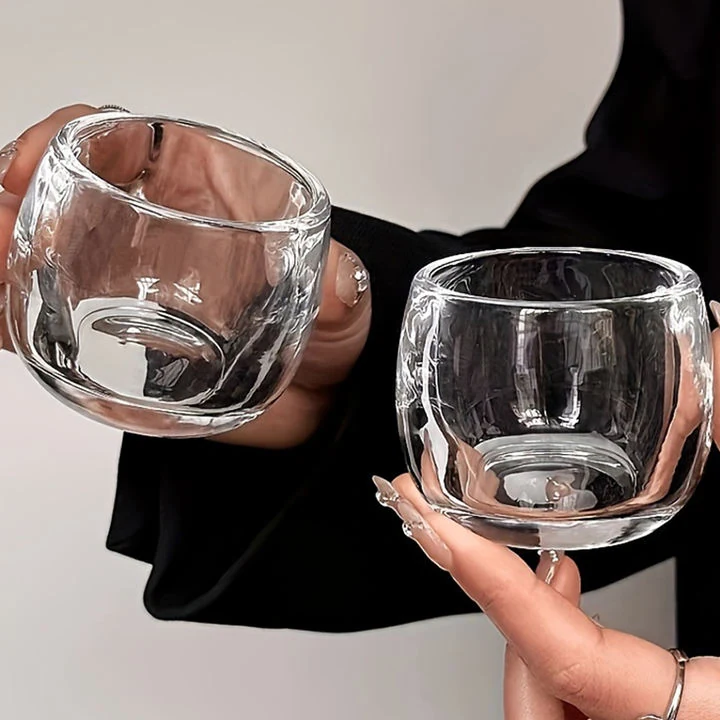
Lebanese glass producers often participate in global fairs such as Ambiente (Germany) and INDEX Dubai, where they can exhibit to international audiences. These shows feature trends in homeware, dining, and sustainable design, offering valuable market insights.
Exhibiting at such events helps Lebanese manufacturers position themselves as quality-focused, design-driven suppliers, competing alongside European and Asian brands.
| Event | Date | Location | Highlights |
|---|---|---|---|
| Beirut Design Week | Annual | Beirut, Lebanon | Local creativity, design partnerships |
| Ambiente / INDEX Dubai | February / May | Frankfurt, Germany / Dubai, UAE | International exposure, sustainability trends |
Part 4: Impact of Global Trade Policies
Lebanon’s position outside the European Union means its exports face import tariffs and certification requirements when selling to EU markets. However, its proximity to Arab and Mediterranean countries allows easier trade under regional agreements.
Lebanese manufacturers could benefit from bilateral trade deals and regional partnerships, particularly with Gulf countries that import high-end hospitality glassware.
The main challenge lies in energy costs and infrastructure. Glassmaking requires consistent power and high heat, but Lebanon’s electricity shortages and fuel prices make operations expensive. Some producers are shifting toward solar power and efficient furnaces to stabilize production costs.
Another factor is the global focus on sustainability. International buyers increasingly request eco-certified, recyclable, or lead-free glass. Lebanese companies adopting these practices will find better export opportunities.
Finally, competition from low-cost producers—mainly in Asia—means Lebanese manufacturers must focus on high-value, design-oriented, or artisanal products. Branding, storytelling, and product differentiation are key to survival.
Part 5: Conclusion
Lebanon’s glass cup manufacturing industry is emerging, not mature, but it carries great potential. With companies like Golden Glass, UGC SAL, and Kashou Glass already mastering glass processing and recycling, expanding into drinkware is a natural step. The combination of regional market demand and local craftsmanship could support sustainable growth.
However, to succeed internationally, Lebanese manufacturers must overcome serious barriers—energy costs, certification hurdles, and scale limitations. The path forward lies in focusing on eco-friendly production, custom design, and small-batch exports to niche markets.
If Lebanon’s glassmakers align technology, sustainability, and design, they can establish a distinct identity in the global glassware scene—one rooted in creativity, resilience, and Mediterranean charm.
Recommended Reading:
- Glass Cup Manufacturer Estonia
- Glass Cup Manufacturer Latvia
- Glass Cup Manufacturer North Macedonia
- Glass Cup Manufacturer Lithuania
- Glass Cup Manufacturer Bulgaria
- Glass Cup Manufacturer Ghana
- Glass Cup Manufacturer Kenya
- Glass Cup Manufacturer Puerto Rico
Glass Yogurt jars 100ml 170ml 250ml
Square Glass Juice Bottles 180ml 200ml 350ml 400ml
Wave Shape Ribbed Glass Cup With Bamboo Lid And Straw
Essential Oil Bottle Luxury Empty Cosmetic 50ml Round clear Frosted