Skip to content

Part 1: Market Size and Growth
Australia’s glassware industry blends craftsmanship with modern technology, reflecting the country’s love for clean design and sustainable living. The market includes both artisanal studios and industrial-scale producers. Local demand for high-quality, eco-friendly tableware has increased due to rising hospitality investments and the growth of boutique dining culture. As cafes and restaurants expand nationwide, the need for stylish drinkware and durable kitchen glassware grows stronger.
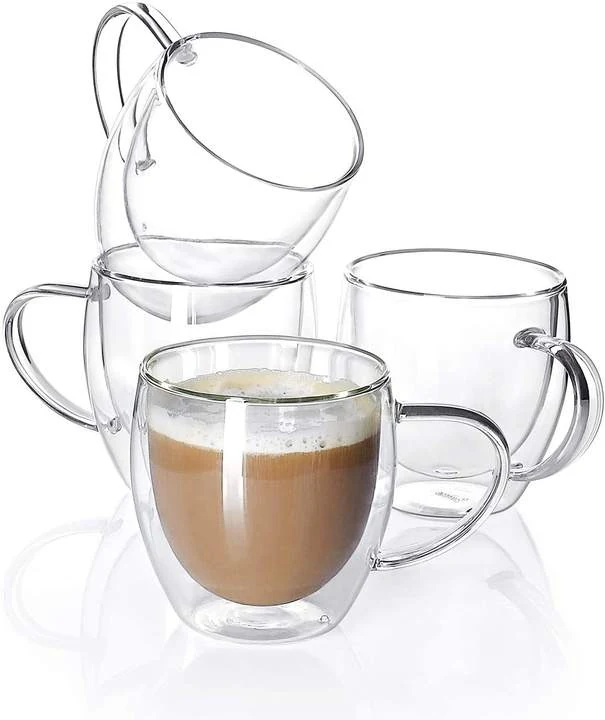
Australia’s glassware market also benefits from tourism and the vibrant retail gift sector. Domestic brands have built strong reputations for contemporary design and sustainable production, often using recycled materials or renewable energy. Exports remain moderate but growing, targeting Southeast Asia, New Zealand, and Europe. Annual growth rates hover between 4-6%, supported by increased consumer spending and eco-conscious preferences. Many local firms now produce small-batch glassware with custom branding for hotels, wineries, and restaurants.
Government initiatives promoting recycling and renewable energy continue to shape the industry. Several states encourage circular economy practices, offering funding for energy-efficient furnaces and waste reduction systems. These incentives, combined with public awareness campaigns, have strengthened Australia’s shift toward responsible glass manufacturing. Industrial clusters around Sydney, Melbourne, and Adelaide are home to both legacy companies and emerging creative studios that push the boundaries of glass design.
Part 2: Leading Companies
Crown Glassware
Crown Glassware, established in the 1920s in Sydney, is one of Australia’s oldest glassware producers. The company originally supplied drinkware and tableware to hotels, restaurants, and airlines. Over time, it modernized its production facilities to compete globally while preserving traditional glassmaking techniques.
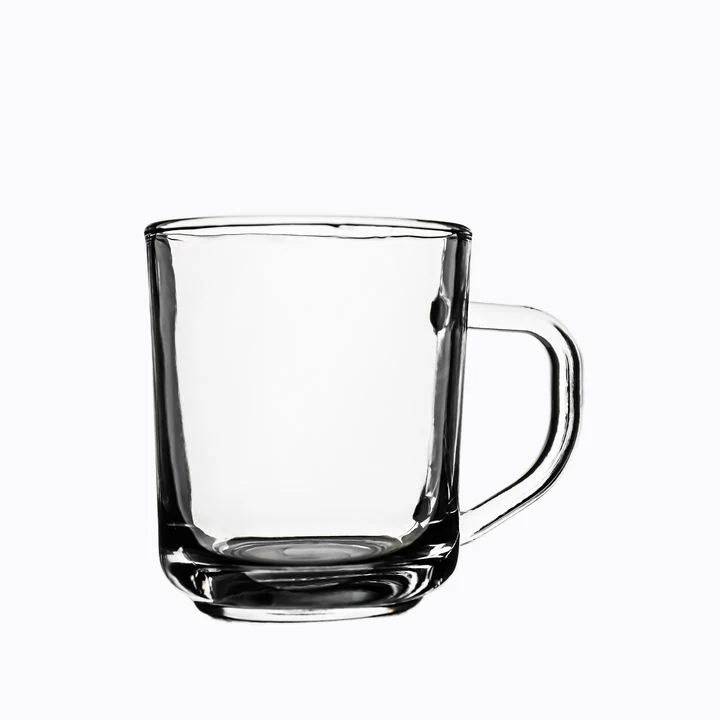
Crown’s portfolio includes crystal glasses, tumblers, beer mugs, and hotel-standard drinkware. The firm serves hospitality, catering, and retail industries, offering both stock products and custom designs. Its technology emphasizes high-temperature tempering for durability and clarity. Crown Glassware is well known for its consistent quality, which meets Australian and international safety standards. It holds multiple ISO certifications for quality management and has received awards for long-term contributions to the hospitality supply chain.
Plumm Glassware
Based in Melbourne, Plumm Glassware represents modern Australian design with a global perspective. Founded in 2009, it quickly gained recognition for its elegant wine glasses tailored to Australian wine culture. Each glass is designed in collaboration with top sommeliers and winemakers to enhance specific varietals’ aroma and flavor.

Plumm’s products target fine dining venues, wineries, and luxury retailers. The company’s range includes mouth-blown crystal and machine-made glassware, combining European craftsmanship with local design insight. Its sustainability program includes eco-packaging and recyclable materials. Plumm also partners with Australian wineries for exclusive glassware collections. The company’s precision design and product performance have earned it both local and international awards, such as recognition at the Good Design Awards Australia.
JamFactory Glass Studio
JamFactory, located in Adelaide, is a creative hub that supports Australian glass artists and designers. Founded in 1973, it serves as both a training center and a producer of high-end handcrafted glassware. The studio’s pieces are known for their artistic expression and superior craftsmanship, bridging the gap between art and functional design.
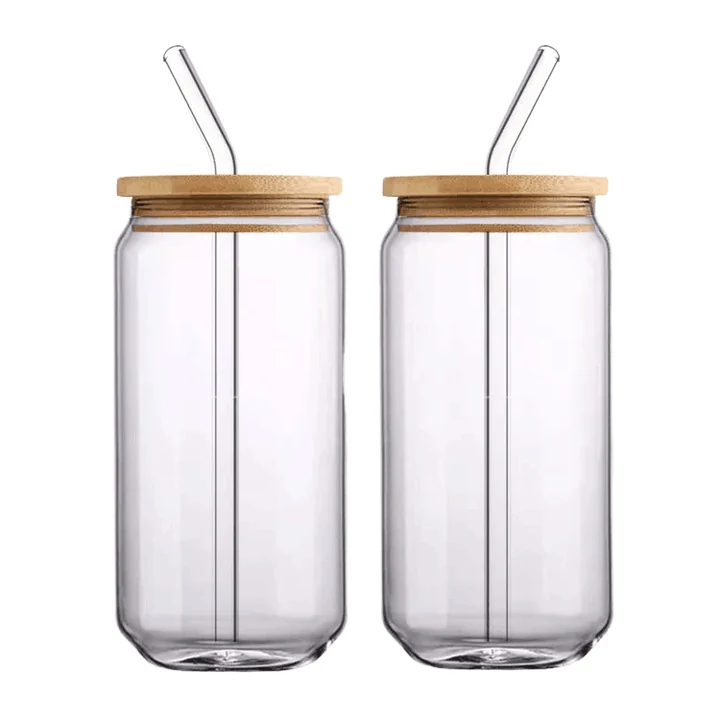
JamFactory’s glassware ranges from tableware to decorative and collectible art glass. The organization trains new generations of glassblowers, ensuring the survival of traditional skills in a modern context. Its products are featured in galleries, boutique stores, and international exhibitions. While not a mass manufacturer, JamFactory represents the creative and cultural heart of Australia’s glass industry. It maintains partnerships with design institutions and enjoys support from the South Australian government. The studio holds multiple craft excellence recognitions.
| Company | Founded | Core Products | Industries | Certifications |
|---|---|---|---|---|
| Crown Glassware | 1920s | Drinkware, tumblers, mugs | Hospitality, catering | ISO 9001, quality awards |
| Plumm Glassware | 2009 | Wine glasses, decanters | Wineries, fine dining | Good Design Award |
| JamFactory Glass Studio | 1973 | Art glass, tableware | Art, retail, design | Craft excellence certificates |
Part 3: Trade Shows and Industry Events
Fine Food Australia
Fine Food Australia is the country’s largest foodservice and hospitality trade show. It attracts chefs, restaurateurs, distributors, and manufacturers from across the Asia-Pacific region. Glassware producers like Crown and Plumm use this platform to launch new product lines and meet hospitality buyers from hotels and restaurant groups.

Held annually in cities like Sydney and Melbourne, the event covers foodservice equipment, kitchenware, packaging, and tableware. It provides a vital networking hub for both domestic and international suppliers. For glassware brands, Fine Food Australia is a chance to showcase the latest innovations in design and sustainability, aligning with the broader movement toward eco-friendly hospitality.
Design Week Melbourne
Design Week Melbourne is a premier creative event focusing on product design, architecture, and craftsmanship. It celebrates Australian creativity through exhibitions, talks, and collaborations. Glassware manufacturers and independent studios often participate, showing limited-edition pieces and experimental works.
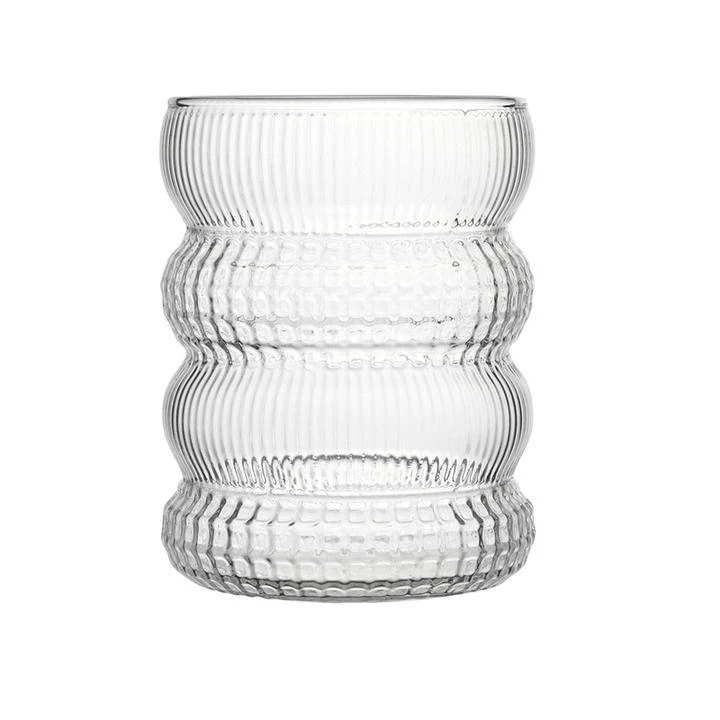
The event runs each March, attracting thousands of designers, retailers, and media professionals. It serves as a bridge between commercial design and artistic innovation, allowing brands like JamFactory to demonstrate the cultural and artistic side of glassmaking. Highlights include sustainability showcases, material innovation forums, and hands-on workshops where visitors can experience glassblowing demonstrations.
| Event | Date | Location | Highlights |
|---|---|---|---|
| Fine Food Australia | September (annual) | Sydney / Melbourne | Hospitality, tableware, foodservice equipment |
| Design Week Melbourne | March (annual) | Melbourne | Design innovation, art glass, sustainability showcases |
Part 4: Impact of Global Trade Policies
Australia’s glassware manufacturers face both challenges and opportunities in global trade. As part of various free trade agreements across the Asia-Pacific region, including Japan, South Korea, and ASEAN nations, Australian firms benefit from reduced tariffs and easier market access. These agreements encourage export growth, particularly for premium and eco-branded glassware.
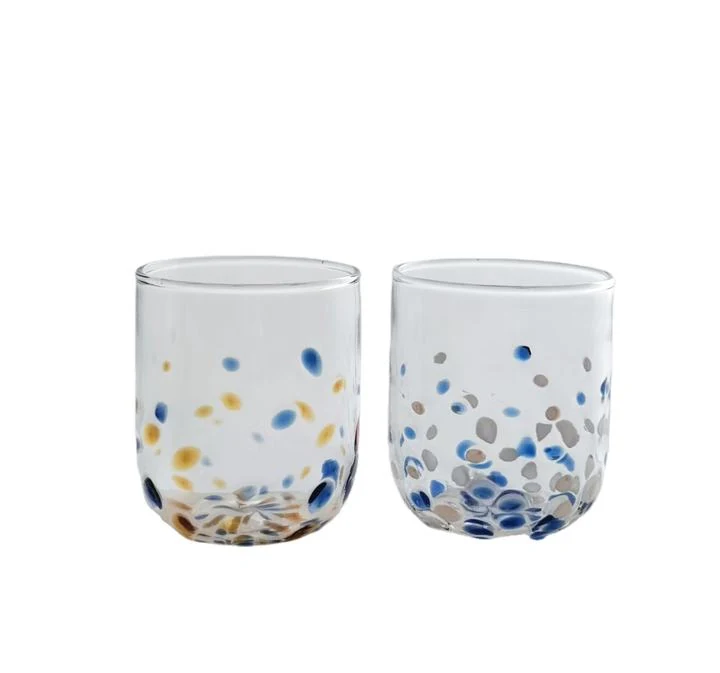
However, high production costs, driven by energy prices and limited local raw materials, remain significant obstacles. Most glassmakers rely on imported silica and soda ash, which expose them to global supply fluctuations. To counter these risks, companies are investing in energy-efficient furnaces, renewable electricity, and recycled glass to lower operational costs and environmental footprints.
Global sustainability trends also influence domestic regulations. The Australian Packaging Covenant Organisation (APCO) sets goals for packaging recyclability by 2025, prompting glassware producers to adopt eco-friendly practices. Trade tensions between China and Western nations have also opened doors for Australia to position itself as a trusted supplier of transparent, ethically produced goods. As a result, Australian glassware exports are expected to grow steadily in regions seeking high-quality and sustainable alternatives to mass-produced imports.
Part 5: Conclusion
Australia’s glassware industry showcases a unique blend of artistry, innovation, and responsibility. Local producers like Crown, Plumm, and JamFactory represent different faces of the sector-from large-scale manufacturing to design excellence and cultural craftsmanship. The domestic market is vibrant, supported by tourism, hospitality, and interior design growth. Sustainability and aesthetics remain the key competitive advantages of Australian glassmakers.
Still, the path forward requires resilience. Rising energy costs, limited industrial infrastructure, and dependence on imported raw materials pose challenges. To stay competitive, Australian firms must expand their export networks, adopt digital production technologies, and continue investing in renewable energy. Despite these hurdles, the spirit of design, quality, and sustainability ensures a promising future for Australia’s glassware manufacturers on the global stage.
Recommended Reading:
- Glassware Manufacturers in Spain
- Glassware Manufacturers in Canada
- Glassware Manufacturers in Brazil
- Glassware Manufacturers in Italy
- Glass Cup Manufacturer Honduras
- Glass Cup Manufacturer Ethiopia
- Glass Cup Manufacturer Libya
- Glass Cup Manufacturer Bolivia
10Oz Double Wall Borosilicate Glass Coffee Cup Set
Glass Bottle Manufacturers in Romania
Glass Bottle Manufacturers in Oman
Glass Bottle Manufacturers in Grenada