Skip to content
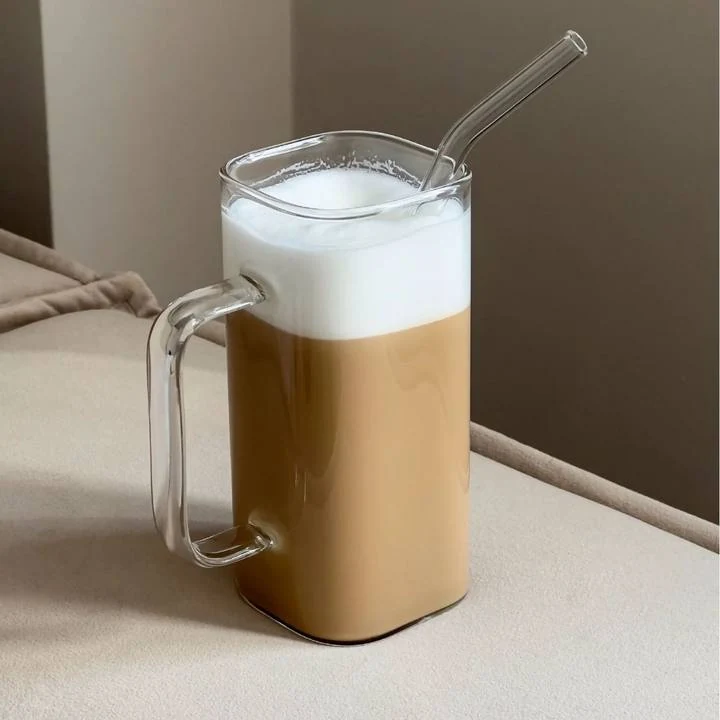
Sometimes you’re at a dinner table, someone asks for a “cup,” and they get handed a glass. Confusing, right?
Yes, a glass can sometimes be called a cup, but not always. The difference comes down to shape, material, and intended use.
Let’s explore this everyday language puzzle to clear up the confusion, especially if you work with packaging, design, or product sourcing like I do.
Can a glass be called a cup?
Sometimes, we use the two words interchangeably. But is that actually correct?
Yes, in casual conversations, a glass can be called a cup, especially when focusing on the function—like drinking water or juice.

When people talk about a “cup,” they often mean any container used for drinking. But technically, a "glass" is usually made of glass, and a "cup" is often ceramic, plastic, or paper. The distinction becomes clearer in professional settings or industries like foodservice, hospitality, or product sourcing.
Key Differences Between Glasses and Cups
Here’s a simple comparison to help:
| Feature | Glass | Cup |
|---|---|---|
| Material | Usually made of glass | Often ceramic, plastic, or paper |
| Shape | Tall and cylindrical | Shorter, with handles |
| Use | Cold drinks (water, juice) | Hot drinks (coffee, tea) |
| Handle | Rarely has a handle | Usually has a handle |
| Transparency | Transparent | Usually opaque |
The reason people blur the terms is because functionally they serve a similar purpose. However, when sourcing products—especially for retail, packaging, or marketing—these distinctions matter. Clients might get confused if you label a ceramic coffee cup as a “glass.”
Is a glass the same as a cup?
They look similar and are used for drinking. So are they basically the same thing?
No, a glass and a cup are not the same. They are different in material, shape, and cultural context.
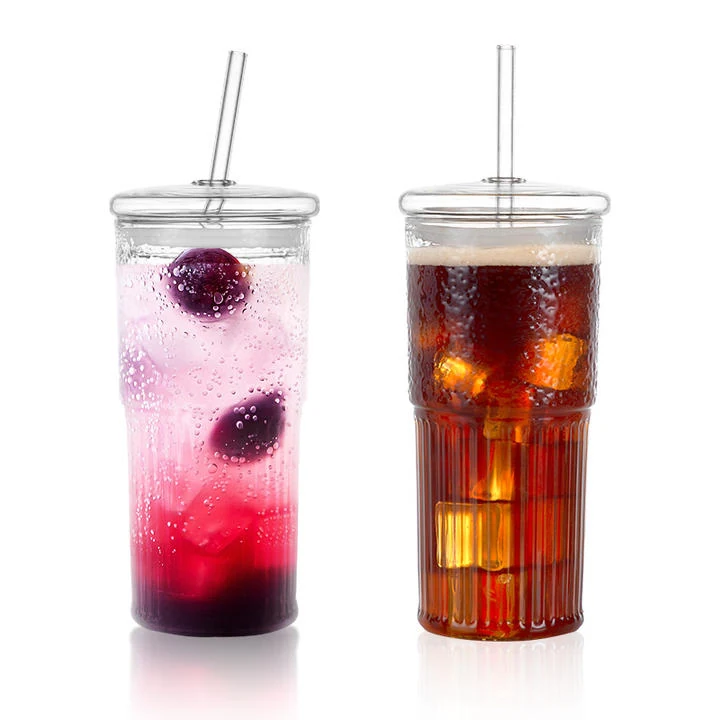
Glasses are typically used for cold beverages and don’t have handles. Cups are often for hot drinks and usually come with a handle. That small design element—the handle—signals a completely different use case.
Why the Difference Matters in Business
In my business, we manufacture over 600,000 glass bottles every day. When clients request “glass cups,” I have to clarify what exactly they mean. Do they want a glass tumbler? A handled glass mug? Or just a regular drinking glass?
The same confusion happens in product listings, especially when exporting to countries like the UK, where “cup” might refer to a teacup, and “glass” to a juice tumbler.
To avoid miscommunication, we standardize our product descriptions:
| Product Name | Material | Description |
|---|---|---|
| Tumbler Glass | Glass | Cylindrical, no handle |
| Coffee Cup | Ceramic | With handle, used for hot drinks |
| Glass Mug | Glass | With handle, used for hot drinks |
| Disposable Cup | Paper | Single-use, often for events |
These terms help keep things clear between buyers and suppliers, especially across cultures and languages.
Is it correct to say "glass cup"?
Many people say “glass cup,” but is that actually a real thing or just a mix-up?
Technically yes, it’s correct to say “glass cup” if you are referring to a cup made of glass.

The phrase “glass cup” is a combination of material and form. It tells us the item is a cup (a container used for drinking) and that it is made of glass. But in practical use, most people would just call it a “glass” or a “glass mug” if it has a handle.
The Nuance Behind the Words
In product labeling and marketing, “glass cup” is acceptable, but it should be clearly defined to avoid confusion. For example:
- If the item has a handle: call it a glass mug
- If it has no handle but looks like a cup: “glass cup” can work
- If it looks like a tumbler: better to call it just a glass
In my experience, especially with clients from Europe and Southeast Asia, “glass cup” tends to cause questions. People wonder: is it a cup made of glass? Or is it a specific shape? Clear communication in product descriptions can prevent design errors, especially during bulk manufacturing or custom orders.
We once had a customer from the UK request “glass cups,” only to later realize they meant “glass mugs” with handles for serving mulled wine. That misstep delayed the project by weeks. Now, we include photos and technical drawings in every quote.
Is one glass a cup?
How do we count these things? Can one glass be counted as one cup?
No, one glass is not always equal to one cup. In cooking and measurements, “a cup” is a volume, not an item.

This is where things get tricky. In everyday speech, someone might say, “I had a cup of water,” even if they drank from a glass. But in recipes or manufacturing, a “cup” is a unit of measurement—roughly 240 ml.
Why It Matters for Packaging and Sourcing
Here’s how the numbers compare:
| Item | Average Volume | Standard Cup Equivalent |
|---|---|---|
| Water Glass | 250 ml | ~1.04 cups |
| Wine Glass | 150 ml | ~0.63 cups |
| Tea Cup | 200 ml | ~0.83 cups |
| Measuring Cup | 240 ml | 1 cup |
As a supplier, I always ask customers: do you mean a “cup” in terms of volume or as a product type? It makes a huge difference when customizing or sourcing packaging for drinks, perfumes, or luxury containers.
This also ties into the eco-friendly trend. Smaller containers may look “luxurious,” but if the customer expects 250 ml and gets 150 ml, they’ll be disappointed. So I always confirm both the design and the capacity before production.
Conclusion
“Glass” and “cup” might sound like the same thing, but they’re not always interchangeable. It depends on design, use, and even language. In business, these small words can make a big difference.