Skip to content
Have you ever wondered why some glass bottles are brown instead of clear or green? It’s not just for looks—it’s all about function and material science.
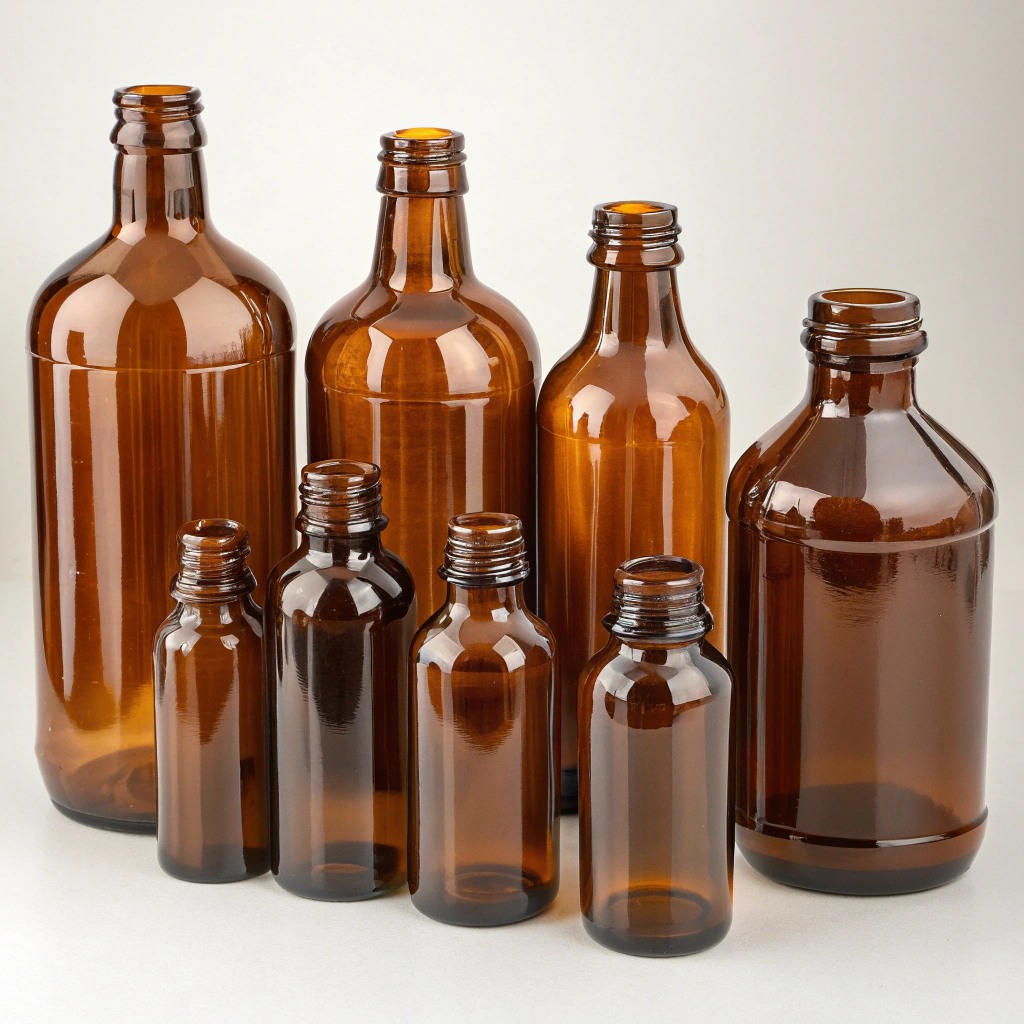
Brown glass bottles are commonly called amber glass bottles, and they are used for protecting contents from light and UV damage.
While they look beautiful, brown glass bottles play a much more important role than just style. Let's break down what they are, why they’re used, and what they’re called in different industries.
What is brown glass called?
Have you seen dark brown or deep amber bottles and wondered if there's a special name for that type of glass?
Brown glass is usually referred to as amber glass due to its rich, warm color that resembles tree resin.

How is amber glass made?
Amber glass gets its color from adding small amounts of iron, sulfur, and carbon during the melting process. These minerals change the color of the glass while it's being formed in the furnace. The result is a rich brown hue that filters out UV light.
This is how the color helps protect what's inside:
| Color | Light Protection | Typical Use |
|---|---|---|
| Clear | None | Beverages, decorations |
| Green | Moderate | Beer bottles, olive oil |
| Amber/Brown | High | Pharmaceuticals, perfumes, beer |
Amber glass is not just a name—it’s a standard industry term. Most manufacturers and suppliers, including my factory, use "amber glass" when referring to brown glass. Whether you're sourcing for pharmaceutical packaging or essential oils, this is the term you’ll encounter.
Some regions may also use “brown glass” interchangeably, especially in informal settings or consumer-facing content. But if you're dealing with industrial orders or searching catalogs, “amber glass” is the keyword to rely on.
Why are some glass bottles brown?
It may seem random that some bottles are brown while others are clear or green. But in fact, there’s strong science behind this color choice.
Brown glass bottles are used because they block harmful ultraviolet (UV) light, which can degrade sensitive liquids like medicine, beer, and perfumes.
The science behind UV protection
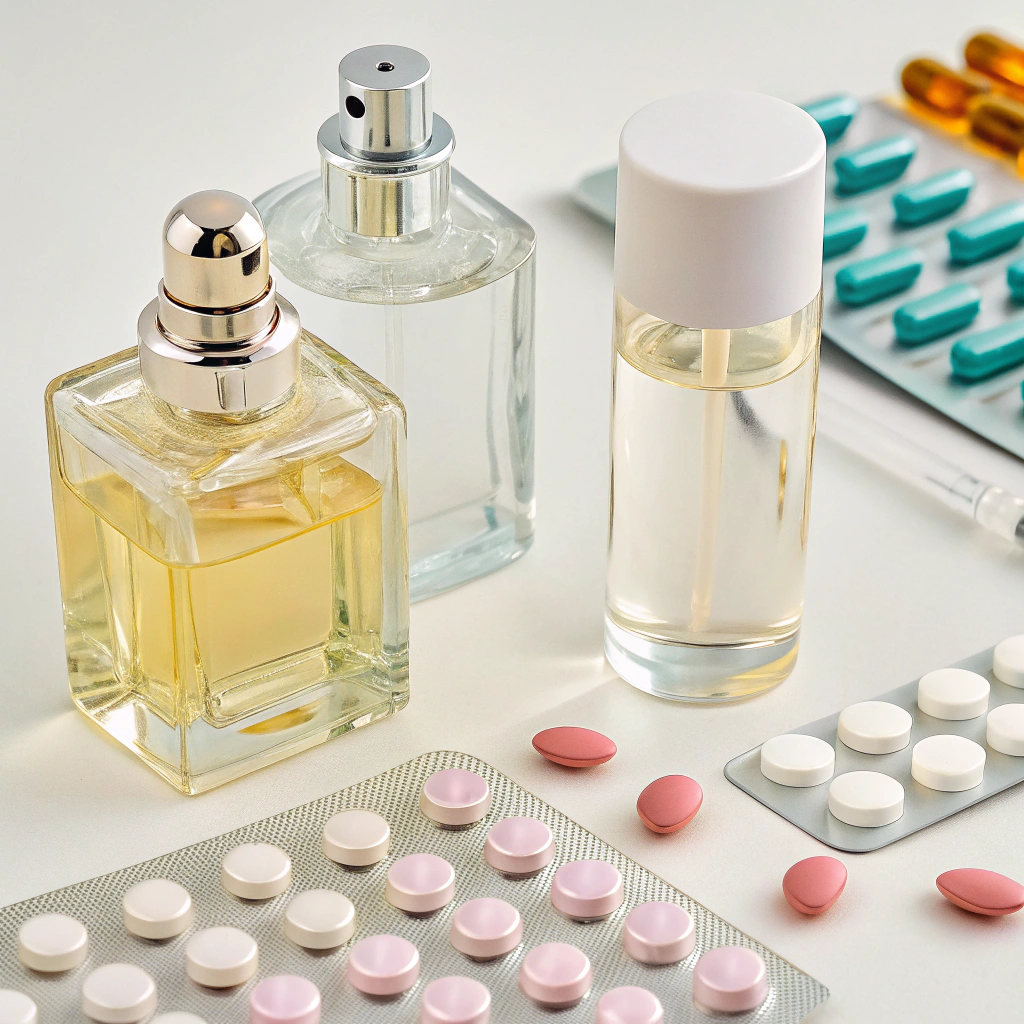
Amber glass blocks nearly all UVB and most UVA rays. UV rays can change the chemical structure of products, especially those with natural or chemical ingredients.
Here’s a simple comparison:
| Product Type | Reaction to UV Exposure | Benefit of Brown Glass |
|---|---|---|
| Essential oils | Lose potency and aroma | Long-term preservation |
| Beer and beverages | Develop skunky or off-flavors | Maintain flavor and quality |
| Pharmaceuticals | Decomposition of active agents | Shelf stability |
| Perfumes | Change in fragrance profile | Protect scent formulation |
Why does this matter for buyers?
For anyone sourcing glass bottles for high-end or sensitive products—like Emily, a beauty entrepreneur in the UK—this matters a lot. A clear bottle might look good, but a brown bottle adds real value through protection. For brands emphasizing both form and function, brown glass offers a professional and science-backed packaging solution.
That’s why in our factory, we recommend amber glass for clients dealing with organic, light-sensitive products. It’s a balance between aesthetics, safety, and shelf life.
What are brown chemical bottles called?
When brown glass bottles are used in laboratories or chemical industries, they have specific names and standards to follow.
Brown chemical bottles are commonly called amber reagent bottles or amber chemical storage bottles.

Industrial standards and terminologies
In a lab setting, naming is very precise. These bottles are typically referred to as:
- Amber reagent bottles: Used for storing chemical reagents.
- Amber Boston round bottles: Common for chemical and pharmaceutical liquids.
- Amber dropper bottles: For precise dispensing of chemicals or tinctures.
Why amber for chemicals?
Chemical compounds, especially acids, bases, and solvents, are often sensitive to light. Exposure can cause chemical reactions that may alter the compound’s properties or make them unstable. Amber glass acts as a shield.
Example:
Hydrogen peroxide, a common chemical, breaks down quickly in light. That’s why it’s almost always stored in a brown or opaque bottle. The same applies to many laboratory reagents and pharmaceutical ingredients.
When we manufacture glass bottles for chemical companies, we follow strict glass standards—usually Type III soda-lime glass or borosilicate glass with amber coating or pigmentation. We also perform UV resistance tests to ensure proper storage capabilities.
If you're sourcing for scientific or chemical use, always ask for “amber reagent bottles” or “chemical-grade amber bottles.” This ensures you’re aligned with industry requirements.
What are brown glass bottles used for?
Brown glass bottles aren’t just for science or medicine. Their uses are surprisingly wide-ranging.
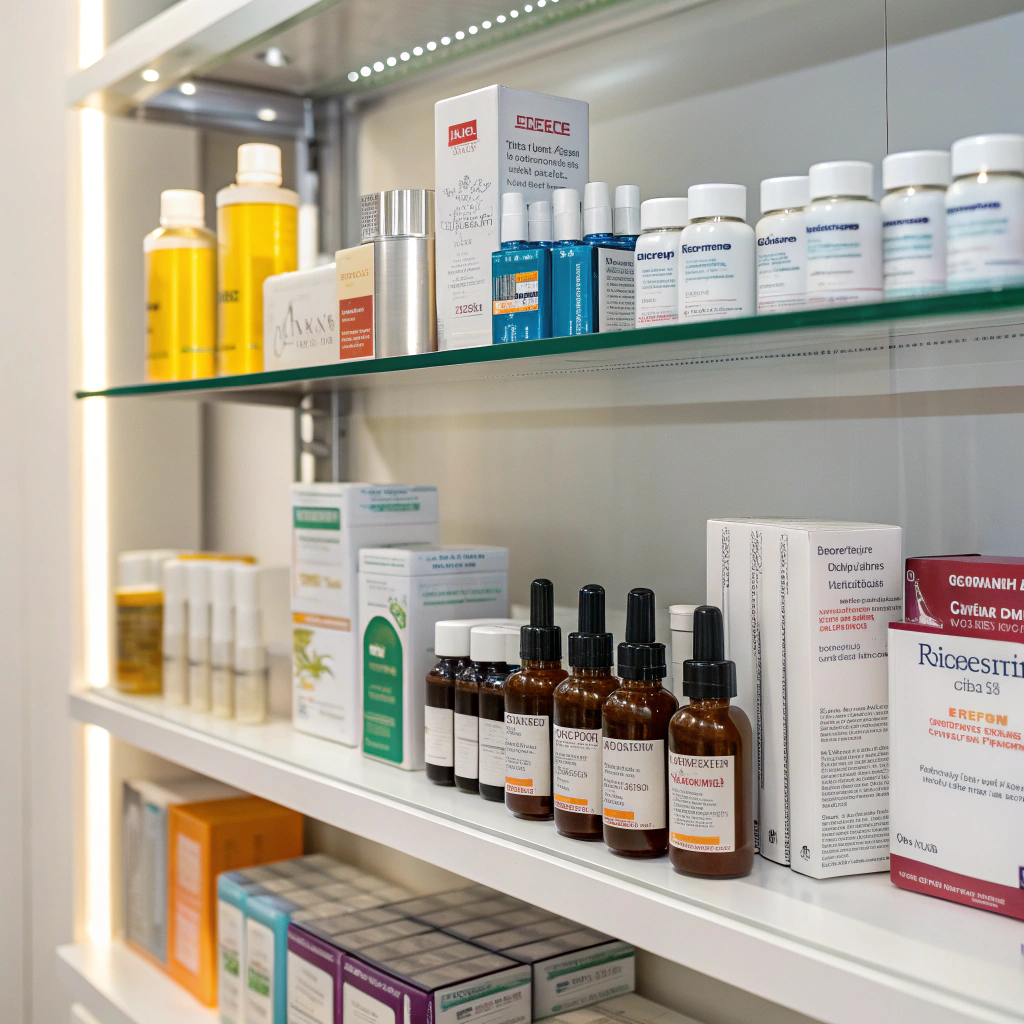
Brown glass bottles are used to package and protect light-sensitive products, including pharmaceuticals, perfumes, beer, essential oils, and chemicals.
Popular uses across industries
Let’s take a closer look at where these bottles are most commonly used:
| Industry | Product Examples | Reason for Amber Use |
|---|---|---|
| Pharmaceuticals | Cough syrups, tablets, tinctures | UV-sensitive medication |
| Cosmetics & Beauty | Perfume, facial oils, serums | Protect formulation and scent |
| Beverage | Craft beer, kombucha, iced coffee | Preserve flavor, prevent spoilage |
| Essential Oils | Lavender, tea tree, peppermint oils | Light-sensitive plant extracts |
| Chemicals & Labs | Solvents, acids, bases | Prevent photochemical reactions |
My perspective as a glass bottle manufacturer
In our factory in China, we produce over 600,000 glass bottles daily, and a significant portion are amber glass. Our clients love brown bottles for their functionality and elegant appearance. For example, Emily, who sells high-end sustainable beauty packaging in the UK, often chooses amber bottles for her facial oil line. They look premium, and they help extend product shelf life—two things her boutique brand needs.
We offer full customization for these bottles, including:
- Glass spraying
- Printing
- Frosting
- Hot stamping
- Color tinting
Many buyers now request eco-friendly packaging. Amber glass, being fully recyclable and non-toxic, fits right into that trend. That’s a strong selling point for luxury and sustainable brands alike.
Conclusion
Amber or brown glass bottles are more than just a color choice—they're a vital part of product protection and presentation. They shield sensitive products from UV light, enhance shelf life, and look elegant doing it.