Skip to content
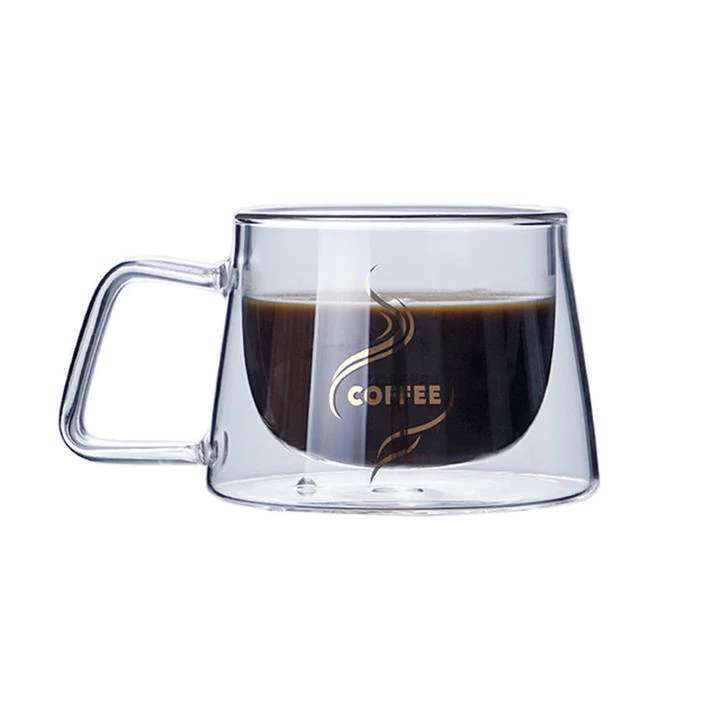
Choosing a drinking container seems simple—until you start comparing materials like glass and ceramic for health and safety.
Both glass and ceramic are considered safe, but glass is usually healthier due to its purity, non-reactive nature, and lack of coatings.
Many people ask me this when sourcing custom bottles or containers. Let’s break it down clearly so you can choose the safest option for your health and your customers.
Is it better to drink from glass or ceramic?
You may think both are safe, but does one have a health edge?
Yes, glass is often better for drinking because it doesn’t leach chemicals, it’s easier to clean, and it doesn’t absorb flavors.

Glass is naturally non-porous and doesn’t react with liquids. Ceramic can also be safe, but the glazes used on some ceramic items may contain trace metals or chemicals. These coatings may slowly leach into drinks, especially if damaged or made under low-quality control standards.
Comparing Glass and Ceramic for Daily Use
| Feature | Glass | Ceramic |
|---|---|---|
| Chemical Safety | Inert, no chemical leaching | Safe if glaze is non-toxic |
| Durability | Brittle but resists scratches | May chip but is more shock-resistant |
| Flavor Retention | No flavor absorption | Can absorb strong flavors |
| Microwave Safety | Generally safe | Safe, but depends on glaze |
| Cleaning | Very easy | May stain with coffee or tea |
In my product line, we focus on high-quality glass precisely because of its safety profile. Clients who sell health products, juices, or essential oils prefer glass for its neutral and pure composition.
Is glass or ceramic healthier?
People often assume ceramic is healthier because it looks “natural.” But is that true?
Glass is generally considered healthier because it’s non-reactive, transparent, and free from toxic coatings or metals.
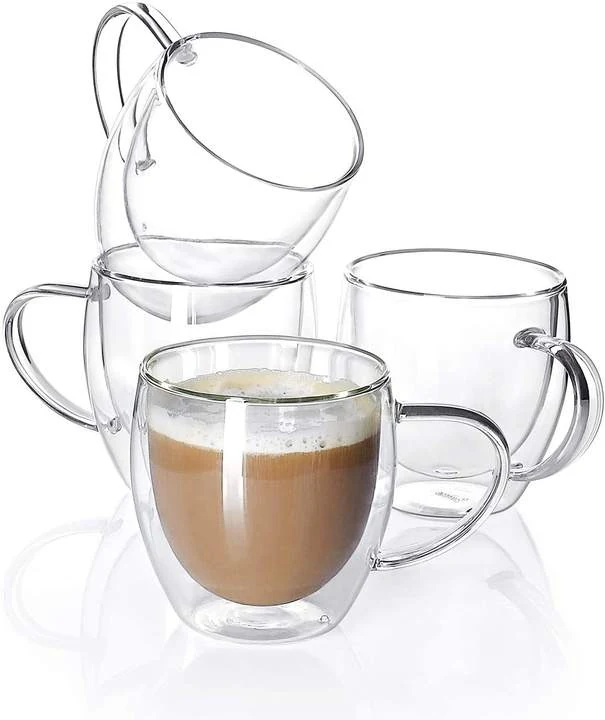
Ceramic is also healthy, but its health safety depends on how it’s made. Poorly manufactured ceramics, especially from unknown factories, might contain lead or cadmium in the glaze. These materials can be dangerous, especially over time.
Understanding Risks: Glaze vs. Material
Ceramic itself is not toxic. It’s the glaze—a glassy coating applied for color and finish—that can pose risks. In the EU and US, strict rules limit the amount of heavy metals in food-grade ceramics. But in other parts of the world, the standards vary.
This is why sourcing from certified suppliers is crucial. When we ship glass bottles, our clients get full documentation showing material composition and safety testing. For ceramic, that extra layer of compliance is even more important.
If you’re sourcing containers for consumable products, it’s safer to go with borosilicate or soda-lime glass. These types of glass are used in labs and kitchens for their safety.
Is ceramic better than glass?
Some customers say they like the look and feel of ceramic. But does that mean it’s better?
Ceramic may be better for aesthetics and heat retention, but glass is better for health, clarity, and recycling.

Ceramic mugs are popular for hot drinks because they insulate heat well and come in beautiful designs. But for long-term safety and sustainability, glass still has the upper hand. Especially when used for beverages, food, or skincare products.
Pros and Cons Overview
Let’s look at both sides clearly:
| Material | Pros | Cons |
|---|---|---|
| Glass | Safe, clear, fully recyclable, no chemical reactions | Breaks easily, heavier |
| Ceramic | Stylish, retains heat well, chip-resistant | May contain harmful glazes, harder to inspect for damage |
In my personal experience, customers in the luxury skincare and fragrance industries lean towards glass. Not only does it project transparency and cleanliness, but it also aligns with eco-friendly and health-first branding strategies.
What is the healthiest cup to drink from?
The big question: when health is your priority, what cup should you choose?
The healthiest cup to drink from is a high-quality borosilicate glass cup—it’s safe, durable, non-toxic, and easy to clean.
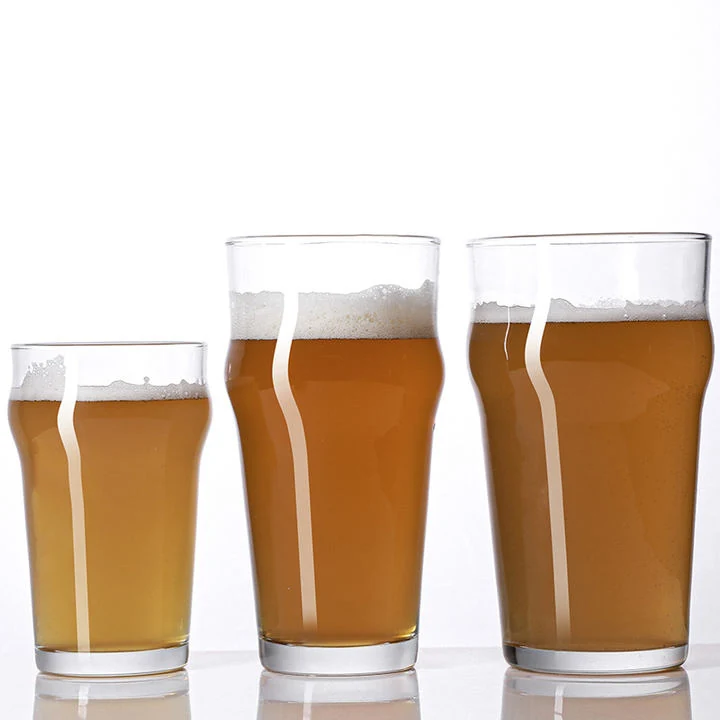
Borosilicate glass is the same type used in lab equipment and premium kitchenware. It resists thermal shock, making it safe for both hot and cold drinks. Unlike ceramic or plastic, it doesn’t contain hidden coatings, dyes, or glazes.
What About Other Materials?
To put things in context, here’s a comparison of common materials used in drinkware:
| Material | Health Safety Rating | Best Use Case |
|---|---|---|
| Borosilicate Glass | ★★★★★ | Hot and cold drinks |
| Soda-lime Glass | ★★★★☆ | Everyday cold beverages |
| Ceramic (food safe) | ★★★★☆ | Hot drinks like coffee or tea |
| Stainless Steel | ★★★☆☆ | Travel mugs, not for all acids |
| Plastic (BPA-Free) | ★★☆☆☆ | Only for cold drinks, not long-term use |
If you’re in the business of packaging or selling drinkware, offering glass-based solutions—especially certified and customizable ones—will appeal to health-conscious customers.
In fact, more boutique brands are asking us for “pure glass only” containers, without any plastic caps or ceramic coatings. They want clean, eco-friendly, and health-safe products that align with modern consumer expectations.
Conclusion
Glass and ceramic are both safe choices—but glass is often healthier due to its purity and non-reactive nature. For health, safety, and transparency, glass still wins.